
How Tokyo Teaches You to Slow Down (Even With Millions Around)

Japan, Tokyo
Tokyo is intense — and yet, somehow, it slows you down. Not by forcing stillness, but by surrounding you with details that gently ask for attention.
When you start noticing them, your pace changes almost without effort. This is how Tokyo taught me to slow down — even with millions of people moving around.
━22.4.2026
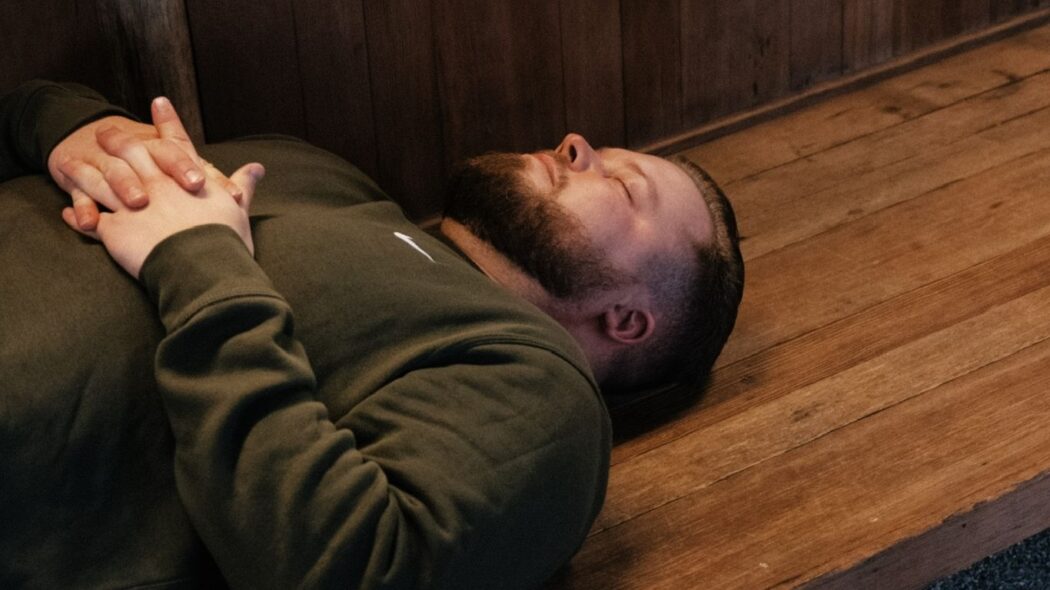
In Tokyo, rest feels really accepted. Falling asleep in a park, on a train, or between moments, it's ok! Recovery isn’t hidden, it’s part of the rhythm. 📸: Jussi Riekki / @jussiriekki
Cleanliness as Mental Space
What struck me first was the exceptional cleanliness.
Not sterile. Not cold.
Just consistently cared for.
Clean streets, clean stations, clean public spaces — they create mental space. When your surroundings are in order, your nervous system doesn’t need to stay alert. You can relax your gaze. You can soften your pace.
In Tokyo, cleanliness isn’t about rules.
It feels like shared respect — and that respect is calming.
Architecture, Art, and the Power of Surprise
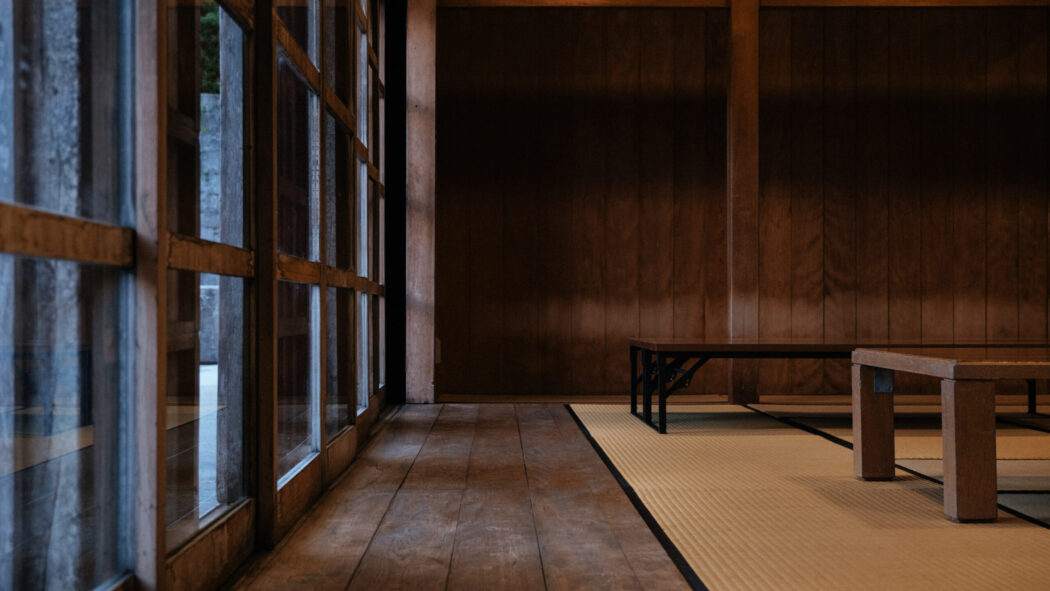
Tokyo rewards curiosity.
Personality shows up everywhere: in architecture, in small creative spaces, in street culture, in galleries, in places you didn’t plan to enter. Surprise becomes part of the rhythm.
When you don’t know what’s behind the next corner — or on another floor — you stay present. You look. You feel.
That presence is grounding.
Plants, Details, and Quiet Signs of Care
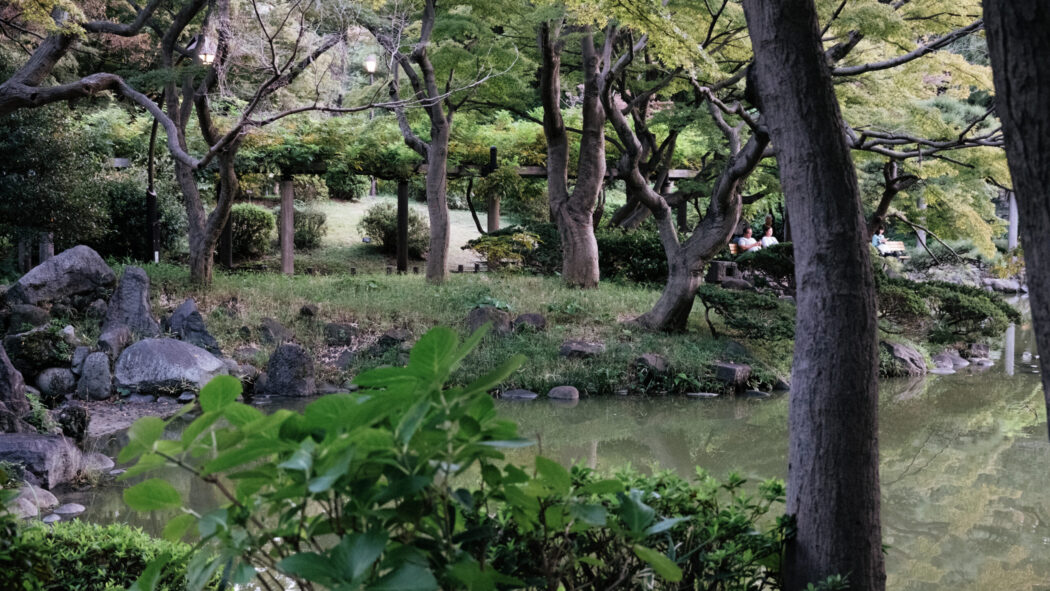
One of the most calming things in Tokyo is how plants are everywhere.
In public spaces.
In restaurants and shops.
On balconies.
At street level, soaking in sunlight.
Sometimes you even notice water marks under plant pots — signs they’ve just been cared for, allowed to recover after a shower. These tiny details communicate something important: care exists here.
And when care is visible, it’s contagious.
Sound, Silence, and Choosing What You Hear
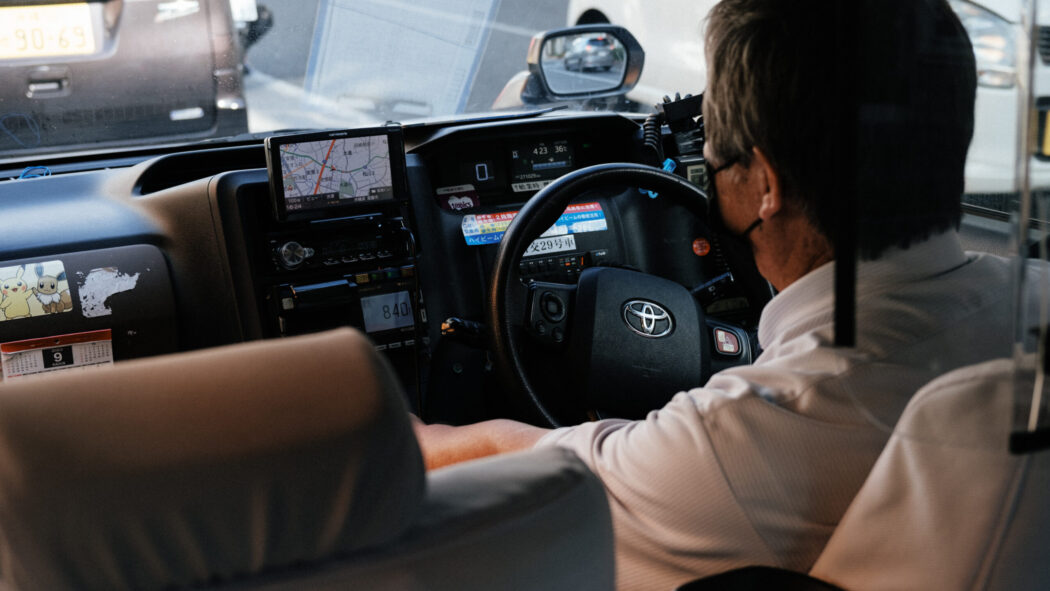
Tokyo can be loud — but it also gives you permission to shape your soundscape.
With noise-canceling headphones, the city softens instantly. You move through it like a quiet observer, choosing what reaches you.
Then there are the moments when you remove them.
Birds singing in parks.
Animals being walked.
Live music drifting from unexpected places.
Those sounds reset something deeper than thought.
Rest Without Judgment
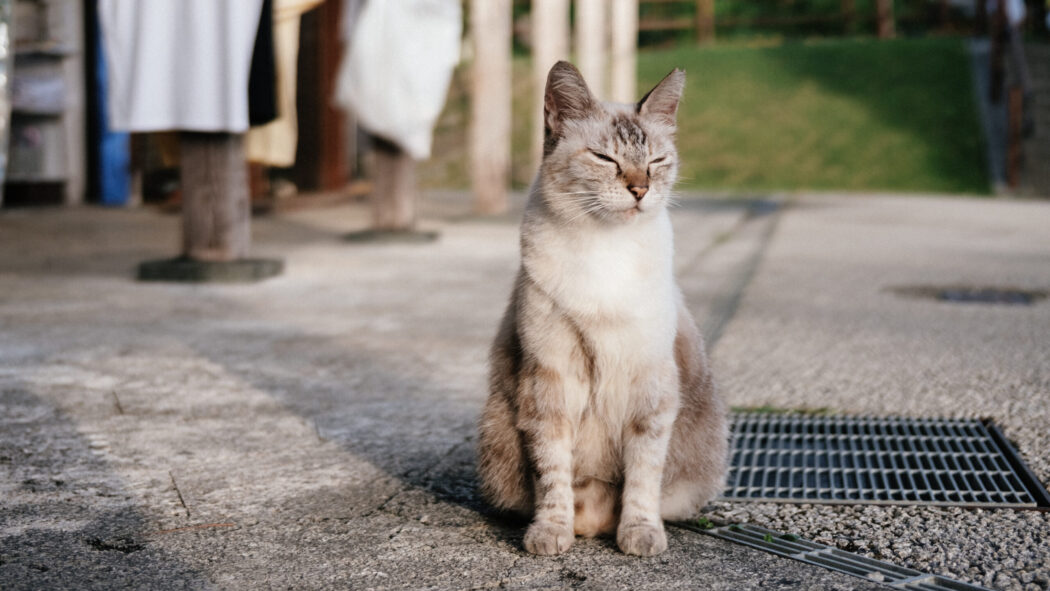
One of the most fascinating things to witness in Tokyo was how rest is normalized.
People sleep wherever they need to — on benches, in cafés, in bars, at bus stops. Not hidden. Not judged.
Inspired by this, I took a nap myself — lying down on a long wooden bench under a park shelter. It felt natural. Necessary. Allowed.
Rest doesn’t need permission here.
It simply belongs to life.
Water, Weightlessness and Recovery
Water changes everything.
Submerging yourself in warm water makes your body lighter. Stress dissolves. Thoughts slow down. Pores open. Breathing deepens.
Spas and onsens became essential recovery points for me — especially after long days of walking and stimulation. Because I’m not tattooed, access was easy, but even beyond that, the culture itself invites care.
Tokyo understands that recovery is not a luxury.
It’s maintenance.
Evenings That Naturally Slow You Down
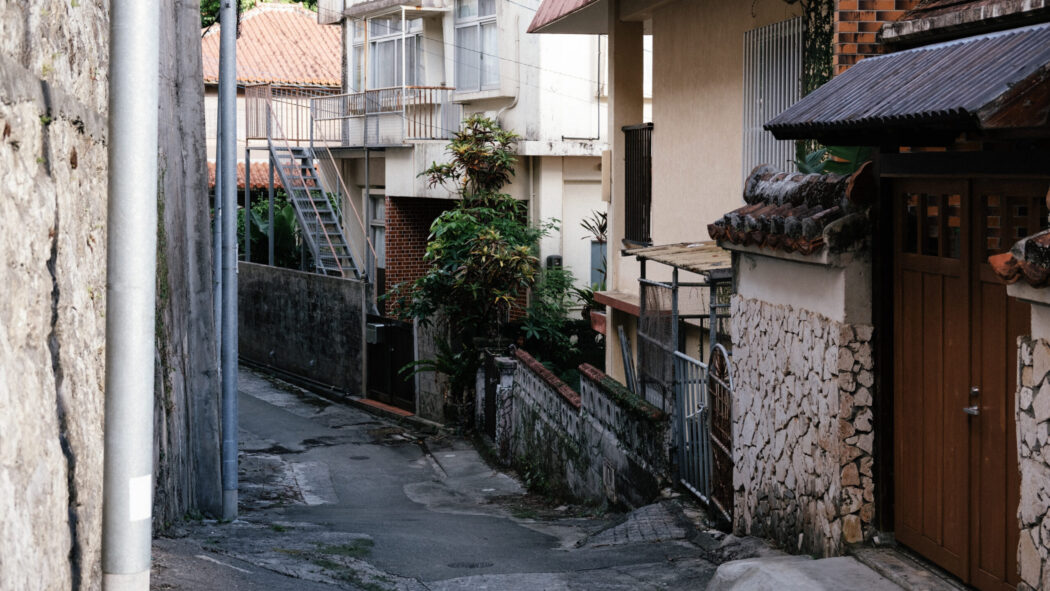
After full days of movement, slowing down happened naturally.
Often it started with something simple — ice cream in the evening, a quiet walk, letting the body settle. Sleep came easily.
Still, if there’s one thing I’d recommend more intentionally:
give yourself one to two hours without screens before bed.
Drink tea.
Reflect on the day’s positive moments.
Let your system land.
Tokyo offers plenty.
Your job is to receive it gently.
The Real Lesson
Tokyo doesn’t teach slowing down by removing stimulation.
It teaches it by balancing care with complexity.
When you choose environments intentionally — clean spaces, green corners, warm water, quiet sounds — your pace adjusts on its own.
Even in one of the world’s busiest cities, slowing down becomes possible.
You just have to let it happen.
Slow is a rhythm, not a rule.
____________
Samuli Makkonen — Pleasure Advisor
Live with more pleasure.
Follow the journey:
Instagram @pleasureadvisorworld
TikTok @pleasureadvisorworld
YouTube Pleasure Advisor
