
Shanghai for First-Timers: A Pleasure Advisor’s Honest Guide

China, Shanghai
Everything I wish I had known before my first week in Shanghai. Apps, payments, power banks, getting around and why you should throw your plan away.
━15.10.2026
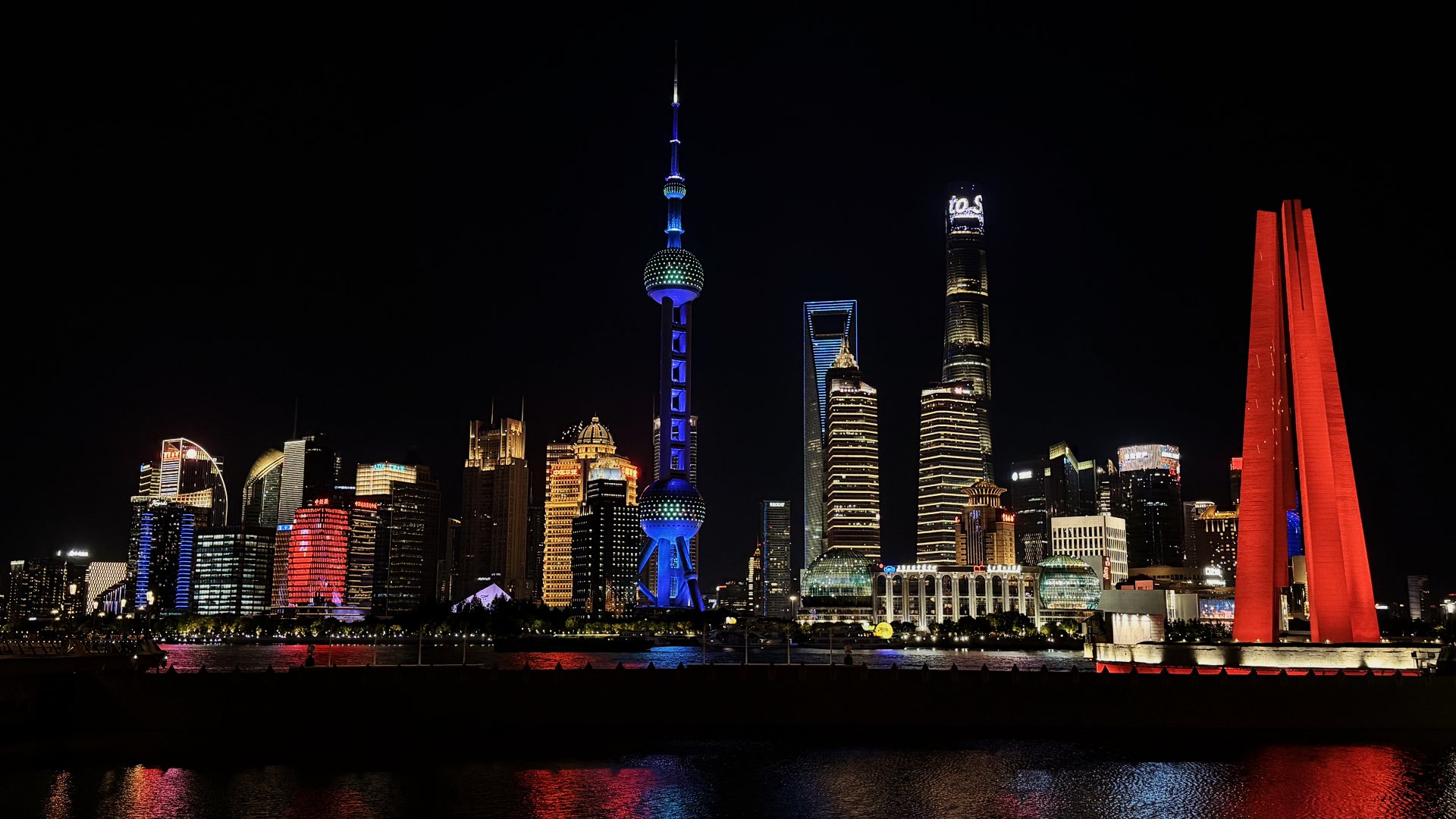
Pudong skyline from the Bund at night.
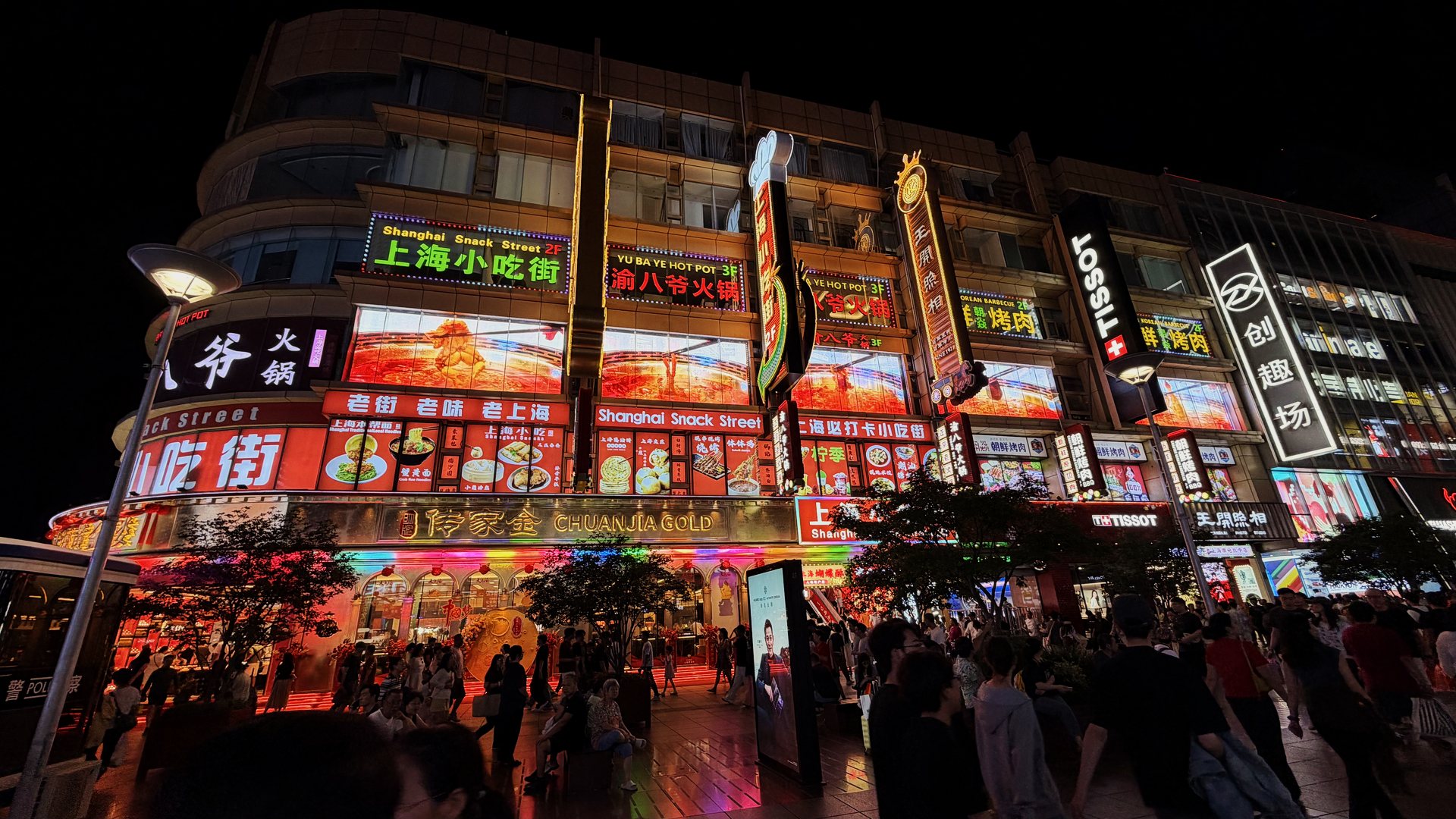
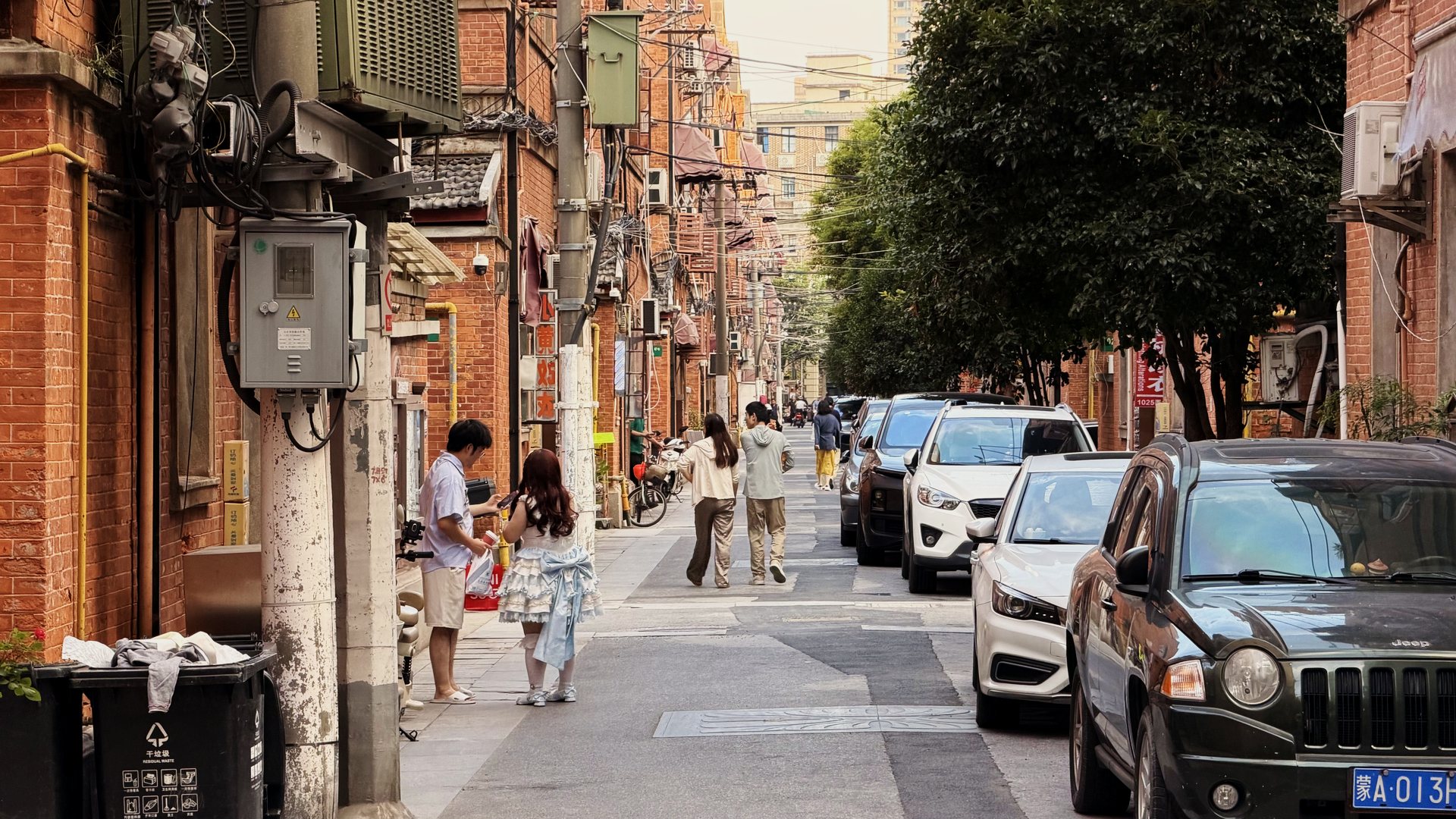
Shanghai showed me how big and modern China can be. I've never seen lights like these anywhere. The colours and the size of the buildings were crazy. Still some streets had an older history to them.
It felt like there were hundreds of shopping malls.
This guide is based on what I experienced during one week in the city.
Good to Know Before You Go
- Visa: Citizens of around 50 countries, including most of Europe, the UK, Canada, Australia, New Zealand, Japan and South Korea, can currently enter mainland China visa-free for up to 30 days. The policy has been announced to run until 31 December 2026. Many other travellers, including US citizens, can use the 240-hour visa-free transit when continuing to a third country. Check the rules for your own passport before you travel.
- Electronics: Be careful with power banks. They are checked closely and if yours doesn’t have the CCC (3C) mark printed on it, it can be confiscated. That happened to me and I lost about 250 euros worth of electronics because I didn’t know about this. More about it below.
- eSIM: Get an eSIM before you arrive in China.
- Alipay for paying. You can pay pretty much anywhere with a QR code or by showing your own code at the till. Restaurants, small shops, kiosks. You can link it to a credit card or whatever. I linked mine to my Revolut card.
- WeChat. Everyone uses it and in some places you can pay with it too. It has all kinds of mini apps. They didn't work for me at least, because my phone and phone plan are from Europe.
- Didi for taxis. Rides are really cheap.
- AMap for maps. Forget Google Maps here.
- RedNote for finding places. It's China's own social media.
- A translation app. You'll use it all the time.
- Time. Things take longer than you think.
- Double-check your passport after hotel check-in and check-out. I learned this the hard way on my way to the bullet train.
- The translator camera for signs, menus and texts. Point and read.
One more thing: I had an eSIM and still some Chinese apps wouldn't open at all. Those need a Chinese number or a Chinese phone. A few times I asked the hotel reception to order takeaway for me on their phone. I paid with Alipay.
I got so used to Didi that I think I'll start calling every taxi a Didi back home too.
Power Banks and Security Checks
I lost 250 euros worth of electronics at the airport as soon as I landed in China, before I even got into the country. I flew in from Copenhagen. My power banks were taken because they didn't have the CCC mark. They had the European CE marking but that didn't count.
Since June 2025 China only allows power banks with the CCC (3C) certification mark on domestic flights. Officially the rule is for domestic flights, yet mine were taken right on arrival. The mark has to be on the device itself. A mark on the box is not enough.
The good news is that buying new ones was really cheap. We went to an electronics shop and got a super good price on everything. They had all kinds of other stuff too. As far as I know, with the CCC mark you can take them pretty much anywhere in the world.
So think twice before packing power banks for China, even if you only have a layover there. I wouldn't. I'd buy new ones locally, for example from Huawei or wherever the locals buy theirs.
Security checks in general are really thorough. In my opinion stricter than anywhere else. They check your body longer, ask you to open your bags and even tiny spare batteries, like the ones for my DJI Osmo Pocket, get scanned again if you didn't put them in a separate tray.
It actually made me feel safer. I just didn't realise how carefully I should have laid everything out :D
The Language Barrier and Your Screen Time
I'd say 95 percent of the people I dealt with didn't speak English. At hotel receptions a little. Otherwise it was the translator app.
My screen time was several hours a day. When I looked closer it wasn't social media. It was the translator, Didi and AMap.
If you don't speak Chinese or know the city, save time for things not being straightforward.
The Map Isn't Always Right
Dozens of times I followed the map to a listed place and found nothing there. They didn't exist.
I wouldn't lean on AI tips for China either. A lot of it is old.
Global chains you'll spot everywhere. The real local places take work to find on a first visit. There's more on the ghost restaurants in my Shanghai food article.
Getting Around
My first night was at a Hilton a bit outside the centre. Beautiful hotel. Getting downtown took half an hour.
So we switched to a hotel nearer the action. Even from there most Didi rides took 20 to 30 minutes. Rush hour made it longer. It's a big city with a lot of traffic and people move by car.
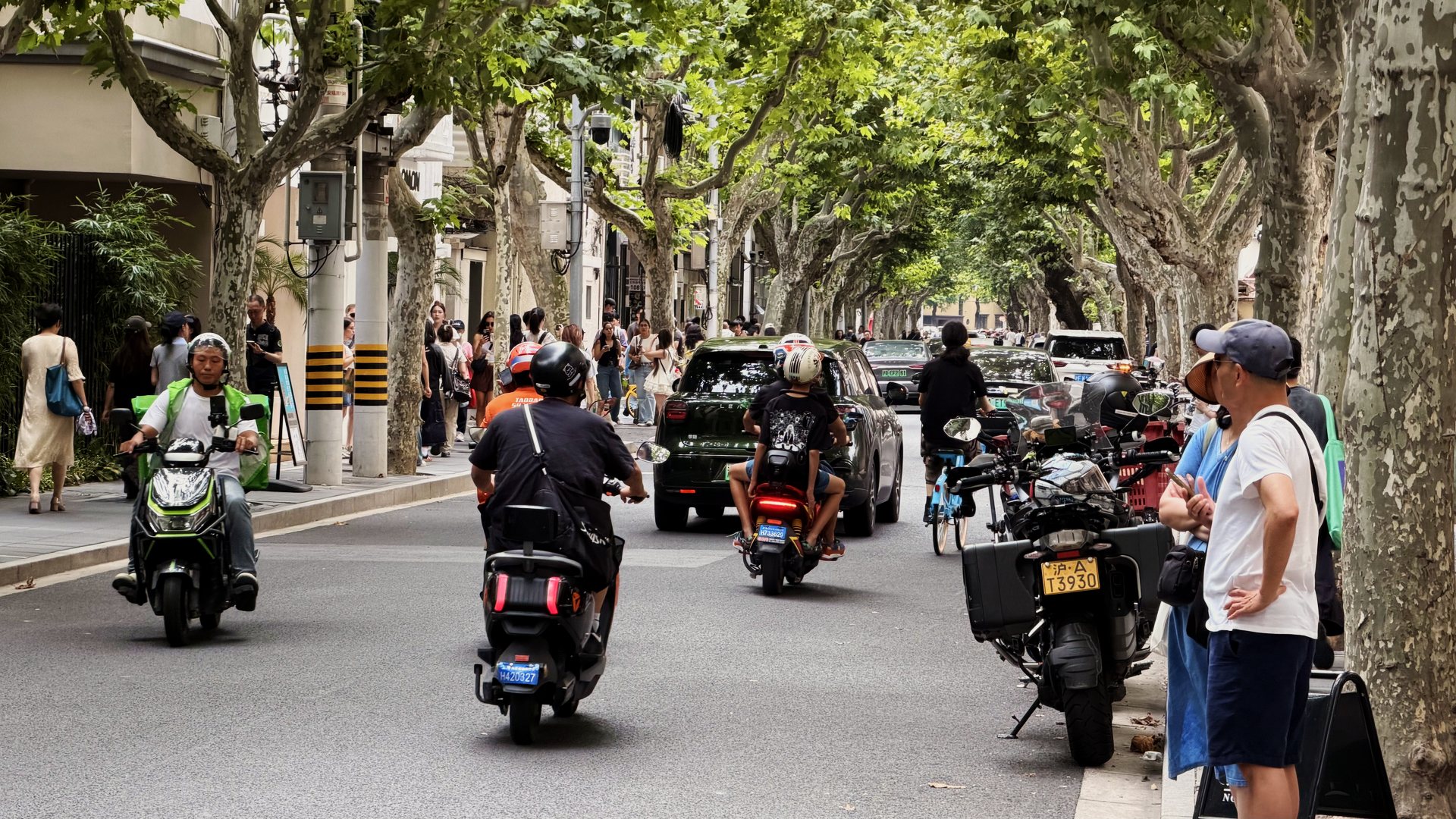
The city was surprisingly quiet because so many vehicles are electric. You hardly hear any engines.
Powered by GetYourGuide
E-Mopeds: Rent Responsibly
A brand new e-moped you can ride without a licence was around 400 yuan a week in Shanghai. I don't know if insurance was included. In some places a helmet came with it. In Shanghai e-bikes must have a licence plate and a helmet is mandatory.
Later in Hunan I rented a moped for 7 euros a day. It looked like nuclear waste. The brakes didn't really work and it creaked and rattled. I parked it after a couple of moves and got my money back.
No vehicle is worth risking your life. Rent only from responsible operators.
Guides and a Private Driver
I really recommend hiring guides. A guide for the whole day doesn't cost much.
If your group moves from place to place many times a day, your own driver can be cheaper than taxis. At least it's more relaxed. Into food? Book a food tour. Someone who knows the city picks the places and you get to focus on eating.
Massages and Spas
You can spend as much money on pampering in Shanghai as you want.
I had a lovely Thai massage. My friends went to another place that was also really good according to them. We also went to a private spa for a sauna. The huge spa complex stays on my list for the next trip.
What to Pack
I overpacked a lot. Shanghai was more humid and hotter than I expected even though I checked the forecasts. I was never cold.
Leave at home: jackets, thick trousers, hoodies.
Bring: T-shirts, tank tops, light trousers, sandals and good sneakers for walking.
Winter and northern China are a different story. Shanghai is a city where you want to look your best. Bring something stylish.
My Best Advice: Throw Your Plan Away
Waiting is normal in China. Food, traffic, answers. All of it takes a while. So skip the hour by hour schedule.
Book a hotel you actually like. Choose one neighbourhood, Didi there and explore on foot in comfy shoes. Stop for a coffee and watch the street. Trust your gut on restaurants, massages and everything else.
A week wasn't enough. Next time I want more parks, art and museums. I'll be back.
Frequently Asked Questions
Do you need a visa for China?
Citizens of around 50 countries, including most of Europe, the UK, Canada, Australia, New Zealand, Japan and South Korea, can currently enter mainland China visa-free for up to 30 days. The policy has been announced to run until 31 December 2026. Many other travellers, including US citizens, can use the 240-hour visa-free transit when continuing to a third country. Check the rules for your own passport before you travel.
Which apps do you need in China?
Alipay for paying, WeChat, Didi for taxis, AMap for maps, RedNote for finding places and a translation app with a camera mode. Some Chinese apps need a Chinese phone number to work.
Can you bring a power bank to China?
Only if it has the CCC (3C) mark printed on the device itself. Mine only had the European CE marking and they were taken at the airport as soon as I landed. Buying new ones locally was cheap.
Does Google Maps work in China?
Not really. Use AMap instead. Many places on the map didn't exist when I got there. Double-check before you go.
What should you pack for Shanghai in September?
Light clothes. Shanghai was hotter and more humid than I expected. T-shirts, tank tops, light trousers, sandals and good sneakers for walking. Bring something stylish too.
____________
Samuli Makkonen, Pleasure Advisor
Live with more pleasure.
Follow the journey:
Instagram @pleasureadvisorworld
TikTok @pleasureadvisorworld
YouTube Pleasure Advisor
This article contains affiliate links to GetYourGuide. If you book an experience through these links, I may receive a small commission at no extra cost to you. Thank you for supporting independent travel journalism and helping me continue creating authentic travel content as a Pleasure Advisor.
